
The Emotional Rollercoaster of Gambling
Gambling can evoke intense emotions, from the thrill of winning to the despair of loss. This emotional rollercoaster often leads players to make irrational decisions. When a player experiences a loss, they may feel a surge of frustration and disappointment, pushing them to continue betting in hopes of reclaiming their lost money. This emotional investment can cloud judgment, leading to a cycle of chasing losses that can spiral out of control. In this context, many players might turn to new casinos not on gamstop to seek fresh opportunities, hoping to escape the patterns of their past losses.
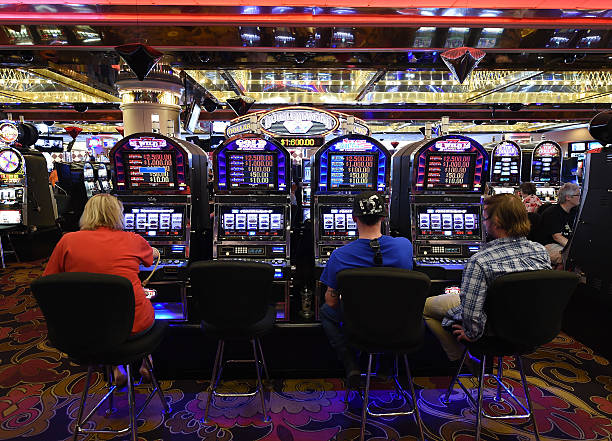
The psychological phenomenon known as “loss aversion” plays a significant role here. Players tend to feel the pain of losing more acutely than the joy of winning. This disparity can create a compulsion to gamble more in an effort to offset the emotional burden of loss, further entrenching them in the gambling cycle. Understanding these emotional triggers is essential for addressing problematic gambling behaviors.
The Illusion of Control
Many gamblers fall prey to the illusion of control, believing they have influence over random outcomes. This misconception can lead to persistent gambling despite significant losses. Players may feel that their skills or strategies can manipulate the odds, which perpetuates a false sense of hope. As they chase losses, they become more convinced that a big win is just around the corner, reinforcing their decision to continue betting.
This illusion not only affects individual gamblers but also contributes to the larger gambling culture, where success stories overshadow the countless losses. This ongoing belief in control can lead to increased financial and emotional risk, as players ignore warning signs of their deteriorating situation. Recognizing this cognitive bias is crucial in helping individuals understand the dangers of gambling.
The Role of Social Influence
Social factors significantly impact gambling behavior. Friends, family, and societal norms can all influence a player’s decision to gamble and their willingness to chase losses. When individuals observe peers winning or celebrating their gambling successes, they may be more inclined to participate, believing they too can achieve similar results. This social validation can create a pressure to keep gambling, especially when losses occur.
Moreover, the advent of online gambling communities and social media has amplified this phenomenon, allowing players to share experiences and strategies. While these connections can provide support, they can also normalize chasing losses, making it harder for individuals to step back and reassess their gambling habits. Understanding the social dynamics at play can help individuals become more aware of external influences on their gambling behaviors.
Impact on Mental Health
Chasing losses can have dire consequences for mental health, leading to stress, anxiety, and depression. The constant cycle of losing and attempting to win back money can contribute to feelings of hopelessness and despair. This emotional toll not only affects the gambler but also their families and relationships, creating a broader ripple effect on mental well-being.
Additionally, the stigma surrounding gambling addiction can prevent individuals from seeking help. Many may fear judgment or feel ashamed of their behavior, leading to isolation and worsening mental health conditions. Addressing these issues through open conversations and support systems is vital to breaking the cycle of harmful gambling behaviors.

About Our Website
Our website serves as a dedicated platform for exploring the complexities of gambling and its impact on mental health. We aim to provide valuable insights and resources for individuals struggling with gambling-related issues, as well as support for their loved ones. With a commitment to raising awareness and fostering understanding, we strive to create a safe space for discussion and education.
If you encounter any access issues while exploring our content, please reach out to our team for assistance. Your safety and mental well-being are our top priorities, and we are here to help guide you through your journey toward understanding and overcoming gambling challenges.