
The Origins of Gambling
The history of gambling can be traced back thousands of years, with evidence suggesting that games of chance were played in ancient China, Egypt, and Rome. Archaeological findings have revealed that early forms of dice, which are fundamental to many gambling games, date back to around 3000 BC. These ancient civilizations utilized games as a way to engage in risk-taking, often linking them to fate and fortune. For those interested in contemporary options, exploring a new kiwi casino can be a thrilling experience.

As cultures evolved, so did the methods of wagering. In Ancient Rome, public gambling houses began to appear, where citizens could place bets on various events, from gladiatorial contests to chariot races. These early establishments laid the groundwork for modern casinos by establishing the social and economic significance of gambling in everyday life.
The Birth of Modern Casinos
The late 17th century saw the emergence of the first modern casinos in Europe, particularly in Italy. The Casino di Venezia, established in 1638, is recognized as one of the oldest. These venues were designed not just for gambling but also for social gatherings and entertainment, showcasing a blend of luxury and leisure that would characterize casinos for centuries.
As the popularity of these establishments grew, the concept of the casino evolved further. By the 19th century, casinos became prominent destinations in cities like Monte Carlo and Baden-Baden, where the upper class indulged in games of chance while enjoying lavish amenities. This shift marked a significant transformation in gambling, merging it with opulence and sophistication.
The Golden Age of Gambling
The early 20th century heralded what is often referred to as the golden age of gambling. With the advent of Las Vegas in the 1930s, a new era began that would change the gambling landscape forever. Las Vegas quickly became synonymous with casinos, offering extravagant shows, lavish hotels, and a vibrant nightlife, which attracted visitors from around the world.
This period saw a diversification of games, with the introduction of slot machines and various table games that catered to a wider audience. Casinos expanded their offerings, providing not only gambling but also an entire entertainment experience, further solidifying their role in popular culture.
The Digital Transformation
The late 20th and early 21st centuries introduced a technological revolution that dramatically altered the gambling industry. The rise of the internet paved the way for online casinos, enabling players to enjoy their favorite games from the comfort of their homes. This shift not only made gambling more accessible but also fostered a new wave of innovations such as live dealer games and mobile gaming applications.
As online casinos proliferated, they began to adopt advanced technology to enhance user experience, ensuring secure transactions and offering a diverse range of games. The integration of virtual reality and augmented reality is now beginning to reshape the way players interact with their favorite games, promising an immersive gambling experience.
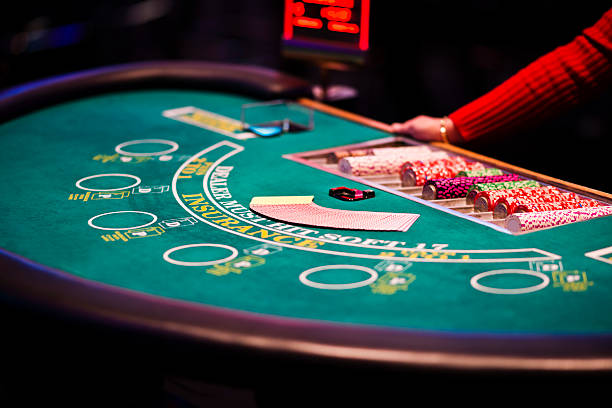
Your Guide to Modern Gaming
As gambling continues to evolve, it’s essential to stay informed about the latest trends and developments in the industry. Whether you are a casual player or a seasoned gambler, understanding the landscape of both physical and online casinos can significantly enhance your gaming experience. Many resources are available to guide players in finding reputable platforms, understanding game mechanics, and ensuring secure transactions.
Exploring the best online casinos provides players with insights into game selections, bonuses, and customer support, ensuring a fulfilling gaming journey. Staying up to date with expert reviews and recommendations can empower players to make informed decisions, enhancing their overall enjoyment of games of chance.