
The Allure of Gambling
Gambling captivates individuals with its inherent excitement and the promise of potential rewards. The thrill of placing a bet can trigger a rush of adrenaline, often leading to an intoxicating experience that is hard to resist. This excitement is not just about winning; it’s the anticipation, the social interaction, and the environment of the gambling venue that add layers to the allure. The immediate feedback that comes from winning or losing creates a dynamic that keeps players returning for more, much like the appeal of a bitcoin casino.
The excitement associated with gambling taps into our psychological need for pleasure and reward. When individuals experience a win, even if it’s small, it can create a feeling of euphoria, reinforced by the brain’s release of dopamine, a neurotransmitter linked to pleasure. This creates a cycle where the individual seeks to replicate that high, leading to repeated gambling behavior. Over time, this desire to chase the initial thrill can morph into a compulsion, edging towards addiction.
Certain psychological factors can increase susceptibility to gambling addiction. For some, pre-existing mental health conditions such as anxiety, depression, or low self-esteem can significantly heighten the risk. Gambling often serves as a form of escapism, offering a temporary reprieve from life’s pressures. The compulsive gambler may find solace in the thrill of the game, viewing it as an escape route from their daily struggles. Understanding these vulnerabilities is essential in addressing the problem effectively.
Moreover, personality traits play a significant role in the development of gambling problems. Individuals who exhibit impulsivity may be more likely to engage in risky gambling behaviors. Such traits can cloud judgment and lead to decisions that prioritize immediate gratification over long-term consequences, making it difficult for individuals to recognize when their gambling has crossed the line into problematic territory.
The environment in which one gambles greatly influences the likelihood of developing an addiction. Casinos and betting establishments are designed to be enticing, with lights, sounds, and an atmosphere that heightens excitement. This immersive experience can create a sense of urgency, compelling individuals to stay longer and gamble more. Social interactions within these environments can further exacerbate this feeling; a friendly bet among friends can quickly escalate into more serious gambling. 
Additionally, social influences can play a pivotal role in gambling behaviors. Peer pressure or familial attitudes towards gambling can normalize the behavior, making it seem acceptable or even desirable. When gambling is seen as a social activity, it can encourage individuals to participate, potentially leading to addiction. As individuals become more entrenched in this culture, it can become increasingly challenging to recognize the negative consequences of their actions.
Recognizing gambling addiction is the first step toward recovery. Individuals often struggle with acknowledging their problem, which can lead to feelings of isolation and shame. However, support systems, whether through therapy, support groups, or understanding family and friends, play a crucial role in the recovery process. Understanding that gambling addiction is a psychological disorder, not a moral failing, helps destigmatize the issue and encourages individuals to seek help.
Effective treatment strategies for gambling addiction often include cognitive-behavioral therapy (CBT), which helps individuals identify and modify harmful thought patterns and behaviors. Support groups, such as Gamblers Anonymous, provide a community of shared experiences, allowing individuals to learn from others who have faced similar challenges. Recovery is possible, and with the right support and resources, individuals can reclaim their lives and find healthier coping mechanisms. 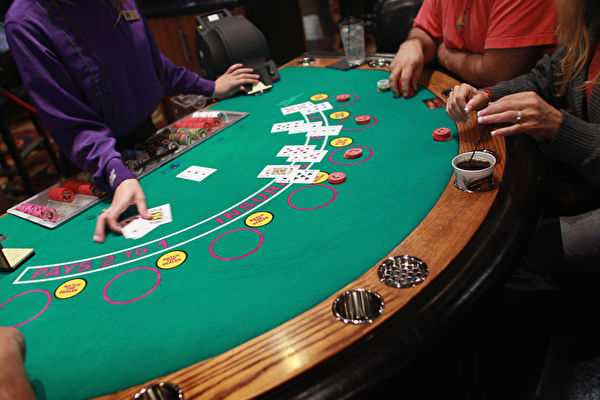
Awareness about gambling addiction is crucial in fostering understanding and encouraging those affected to seek help. Many individuals are unaware of the psychological aspects that contribute to their behavior, often viewing it simply as a hobby. Educational resources can provide insights into the signs of problem gambling and the importance of addressing these issues proactively.
Creating a supportive environment, whether through education, open discussions, or community programs, can help individuals feel less isolated in their struggles. Understanding the complexities of gambling addiction not only aids those who are affected but also fosters a more empathetic community, encouraging recovery and resilience.